Compare Local Contractors for Gas Line Installation Services
Compare local contractors to define project scope, verify experience, and set clear expectations in writing for a safe, reliable gas line installation.
Gas line installation services typically encompass the planning, placement, and connection of natural gas or propane lines within residential or commercial properties. This work involves assessing the property’s layout to determine the most efficient routing for the gas lines, installing piping that meets safety standards, and ensuring proper connections to appliances or systems such as furnaces, water heaters, or stoves. Contractors may also handle related tasks like installing shut-off valves, pressure regulators, and ensuring the entire system complies with local building codes and safety regulations. Proper installation is essential for both safety and functionality, making it important to work with experienced service providers who understand the specific requirements of gas line work in the local area.
Defining the scope of a gas line installation project is a crucial step that helps set clear expectations and prevents misunderstandings. Property owners should work with contractors to specify the extent of the work, including the number of lines needed, the complexity of the routing, and any additional components such as meters or regulators. Having a detailed scope in writing can help ensure that all parties agree on what is included, which can reduce the risk of unforeseen issues later on. Clear communication about the project’s scope also helps property owners evaluate whether a contractor’s experience aligns with the specific demands of the installation, leading to more informed decisions and a smoother process.
When comparing local contractors for gas line installation, property owners should consider several factors to find the most suitable service providers. It’s helpful to review each contractor’s experience with similar projects and verify their familiarity with local codes and regulations. Asking for references or examples of previous work can provide insight into their capabilities and reliability. Additionally, property owners should examine how contractors define project scope and what warranties or guarantees are offered for their work. By gathering detailed information and asking relevant questions, property owners can better assess which service providers are well-equipped to handle the job and meet the specific needs of their property.
Compare local contractors by outlining project priorities, verifying experience, and setting clear scope and expectations in writing.
- Compare Local Contractors - evaluate multiple service providers to find the best match for your gas line installation needs.
- Define Project Scope - clearly outline the work to be done to ensure all parties agree on the installation requirements.
- Verify Experience and Expertise - assess the background and skills of local contractors to ensure quality work.
- Document Agreements in Writing - establish detailed plans and expectations to avoid misunderstandings during the project.
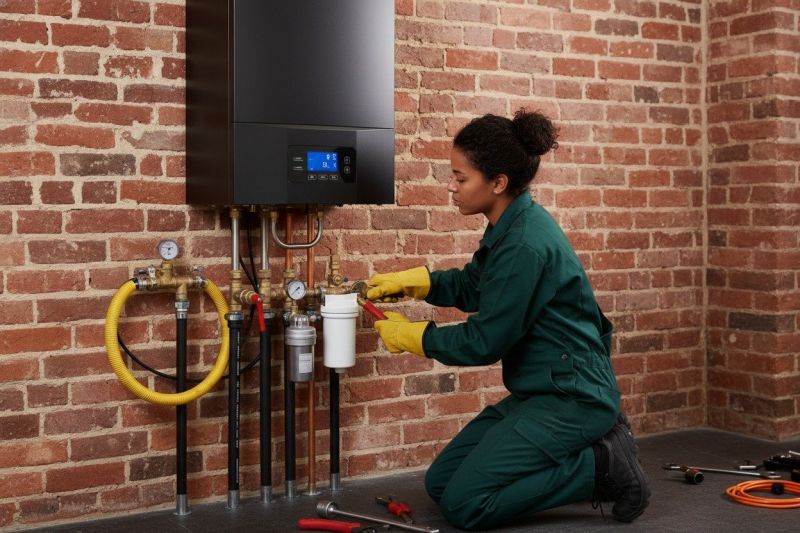
Clearly describe your gas line installation project to help local contractors understand the scope and compare their experience and approaches effectively.
- Verify that the service provider has experience with gas line installation projects similar in scope and complexity. - Ensure that the contractor clearly defines the scope of work and provides a detailed written estimate.
- Check that the contractor adheres to all applicable safety standards and installation codes relevant to gas lines. - Confirm that the service provider inspects the existing infrastructure and plans for proper venting and shut-off valves.
- Assess the contractor's ability to provide references or examples of completed gas line installations. - Make sure the scope of work, responsibilities, and expectations are documented in a comprehensive agreement.
- Determine if the contractor conducts thorough site assessments to identify potential hazards or obstructions before installation. - Confirm that the service provider discusses the materials and methods to be used for the installation.
- Review the contractor’s process for testing and inspecting the gas line after installation to ensure safety and compliance. - Ensure that all work performed meets local building codes and safety regulations.
Compare local contractors’ experience and clarify project scope to ensure smooth gas line installation.
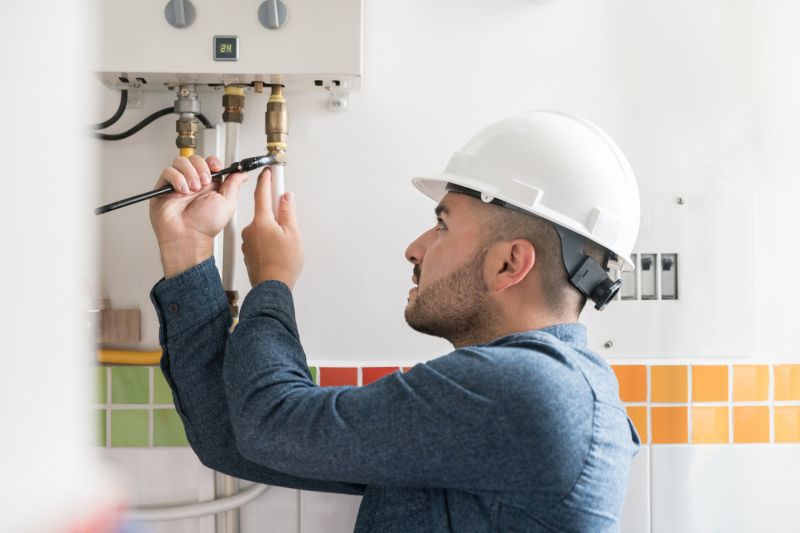

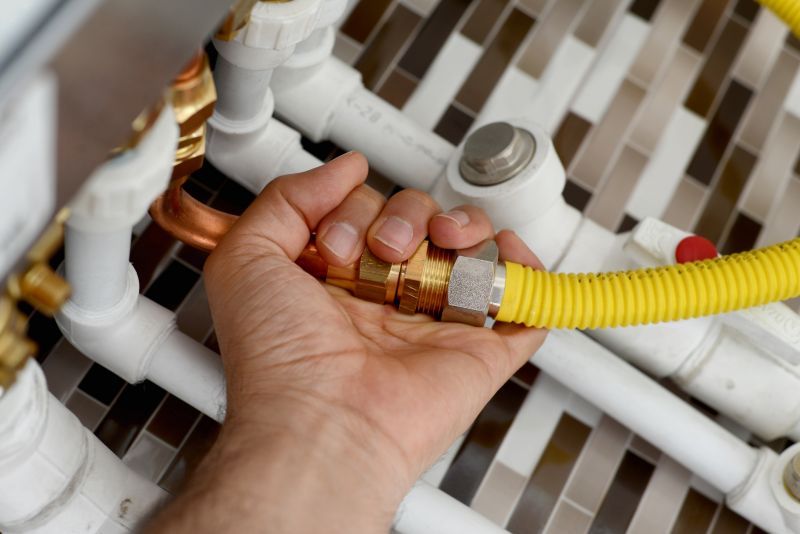
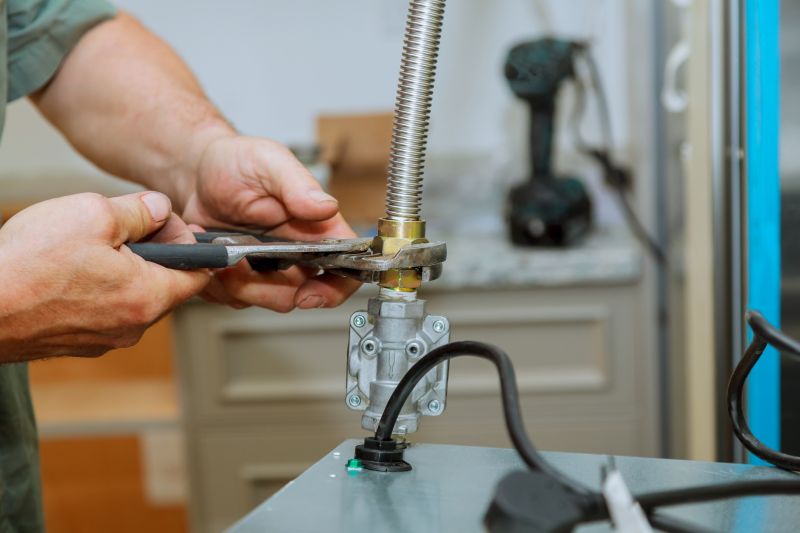
This scope builder helps compare local contractors, define project details, verify experience, and set clear expectations in writing.
- Scope Definition - Clearly outline the extent of gas line installation work to ensure all parties understand the project parameters.
- Material Specifications - Specify the types and quality of piping and fittings to be used during installation.
- Experience Verification - Confirm that service providers have relevant experience with gas line installation projects of similar scope.
- Workplace Requirements - Identify any site-specific conditions or preparations needed prior to beginning the installation.
- Written Agreement - Document all project details, expectations, and responsibilities in a formal agreement before work begins.
When evaluating contractors for gas line installation, it is important to consider their experience with similar projects. Homeowners should inquire about the types of gas line work the service providers have completed, including the complexity and scale of previous installations. Contractors with a history of handling projects comparable to the current needs are more likely to understand the specific requirements and challenges involved, helping to ensure a smoother process and satisfactory outcome.
A clear, written scope of work is essential when comparing options. This document should outline the specific tasks the contractor will perform, materials to be used, and the expected deliverables. Having a detailed scope helps prevent misunderstandings and sets clear expectations for both parties. Homeowners should review the scope carefully, ensuring it covers all aspects of the installation to avoid potential gaps or ambiguities that could lead to issues later on.
Verification basics involve confirming that contractors have the necessary experience and understanding of the project requirements. Homeowners can ask for references or examples of completed work, and verify that the service providers have a thorough knowledge of local codes and standards related to gas line installation. It is also advisable to check for any relevant industry affiliations or memberships that demonstrate a commitment to professionalism and quality standards. This verification process helps ensure that the chosen contractor has the appropriate background to handle the project safely and effectively.
When comparing contractors, it is helpful to evaluate how each one proposes to approach the project and how well their scope aligns with the homeowner’s expectations. Homeowners should ask detailed questions about the methods and materials they plan to use, and request written documentation of the scope and procedures. By reviewing these details carefully, homeowners can better understand each contractor’s approach and determine which option best matches the project’s needs. This thorough comparison process supports making an informed decision based on experience, clarity, and the contractor’s understanding of the work involved.
Request written details from local contractors to clearly define the scope and ensure consistent expectations.
- Experience and Credentials - What relevant experience and background do the contractors have with gas line installation?
- Scope of Work - How will the service providers define and document the specific scope of the project?
- Comparison of Services - What services and techniques do different local contractors offer for gas line installation?
- Work Guarantees and Warranties - What assurances or warranties do the contractors provide for their installation work?
- Communication and Clarification - How will the scope and expectations be clarified and confirmed in writing before work begins?
How can I compare contractors for gas line installation? To compare local contractors, review their experience, verify references, and check if they provide clear written estimates outlining the scope of work.
What should I consider when defining the scope of a gas line installation? Clearly specify the length, type of gas lines, connection points, and any additional work needed to ensure contractors understand the project requirements.
How do I verify a contractor’s experience with gas line installation? Ask for details about their previous projects, request references, and confirm they have handled similar installations in your area.
Why is it important to get work expectations in writing? Written agreements help prevent misunderstandings, specify the scope of work, and provide a record of what has been agreed upon for the project.
What questions should I ask a contractor before hiring for gas line work? Inquire about their experience, the materials they plan to use, the installation process, and how they handle permits or inspections.
How can I ensure the contractor understands my project needs? Provide detailed descriptions of the installation requirements and request a written plan or scope of work to confirm mutual understanding.
This page has provided an overview of how to find and evaluate contractors for gas line installation. Visitors learned the importance of clearly defining the scope of work, verifying the experience of service providers, and setting expectations in writing to ensure a smooth process. Comparing multiple local contractors can help identify options that best meet individual project needs and preferences.
To move forward, consider using the quote form to connect with local service providers who can handle gas line installation. This tool makes it easier to explore different options and find the right contractor for the job, helping to make informed decisions based on your specific requirements.